




1/1


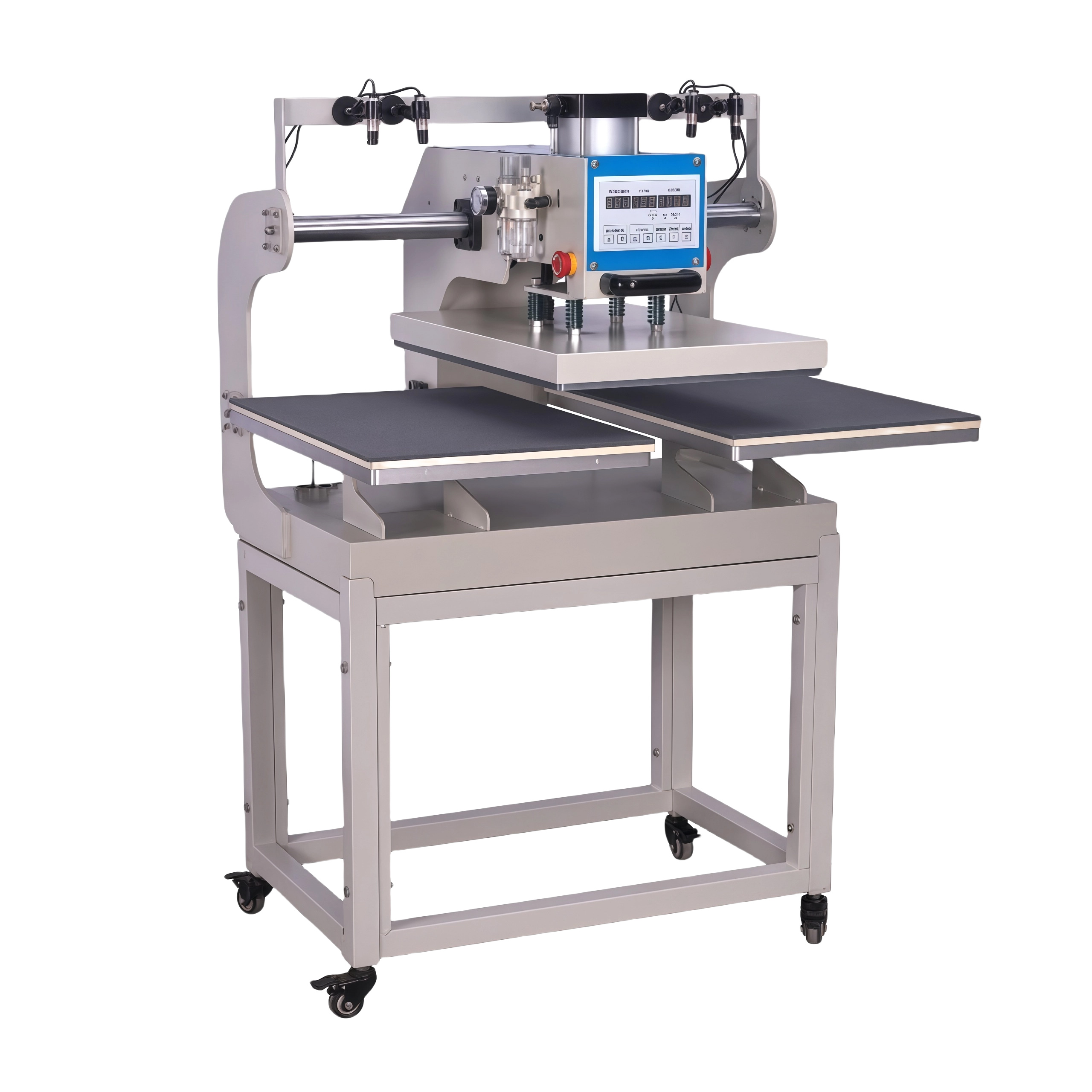
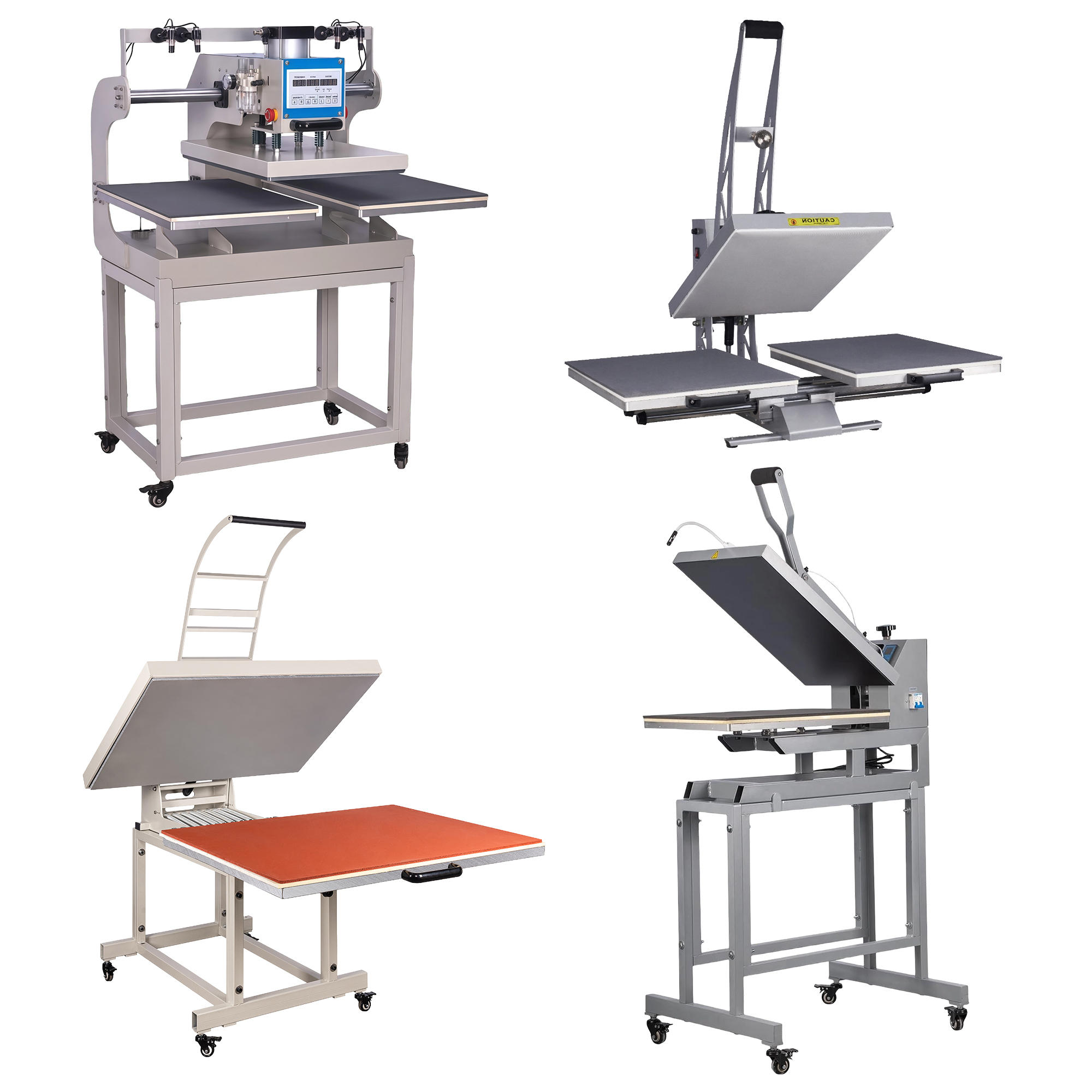
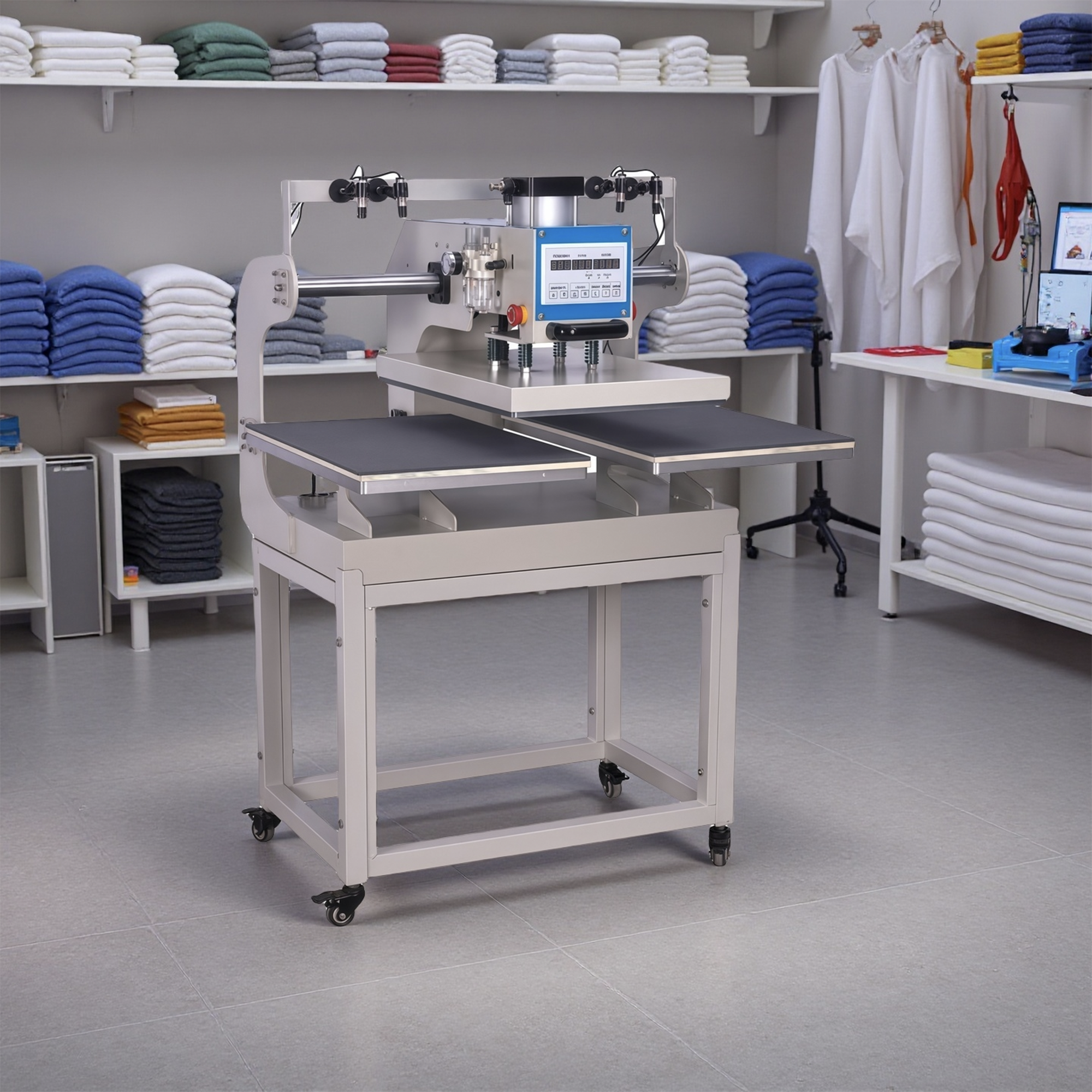
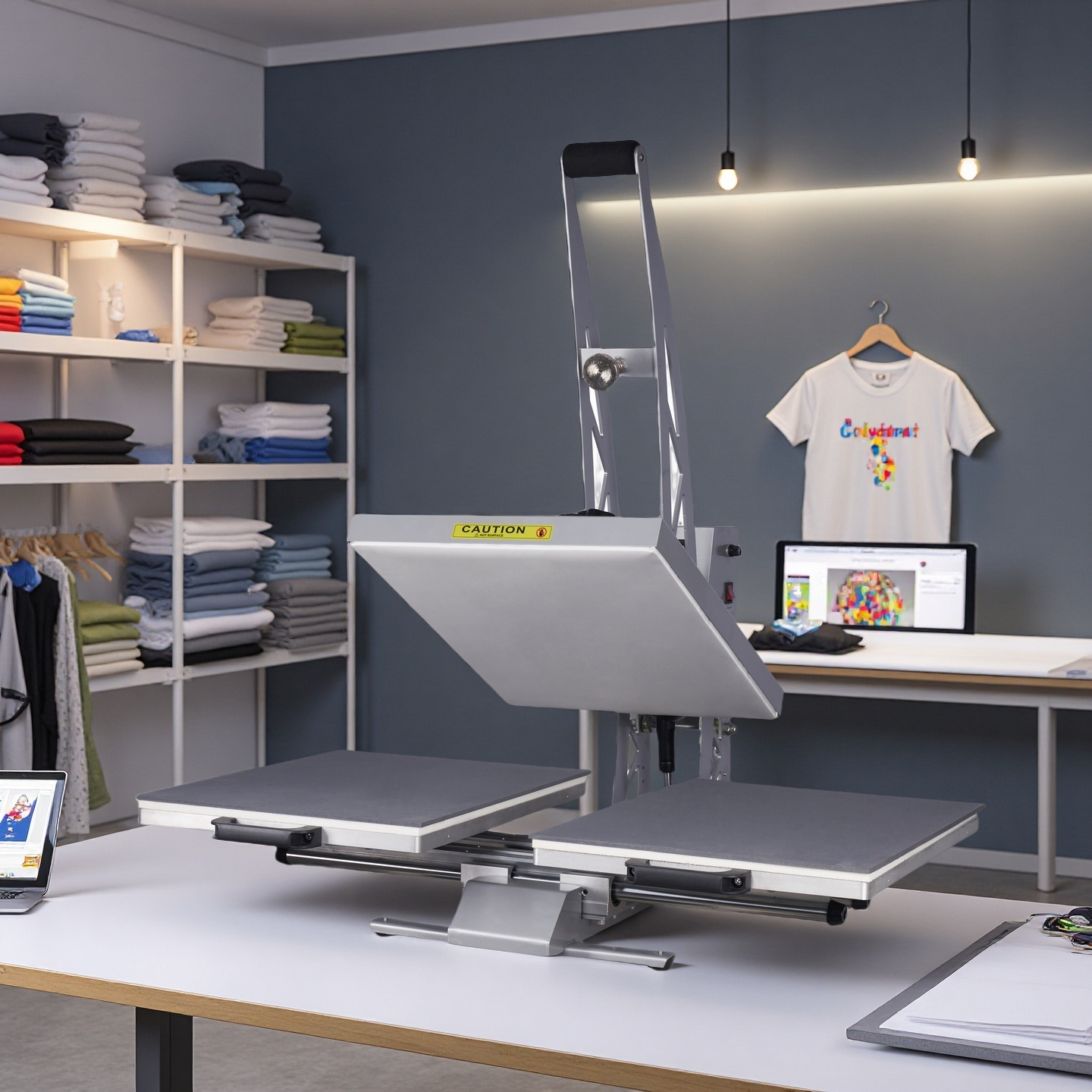
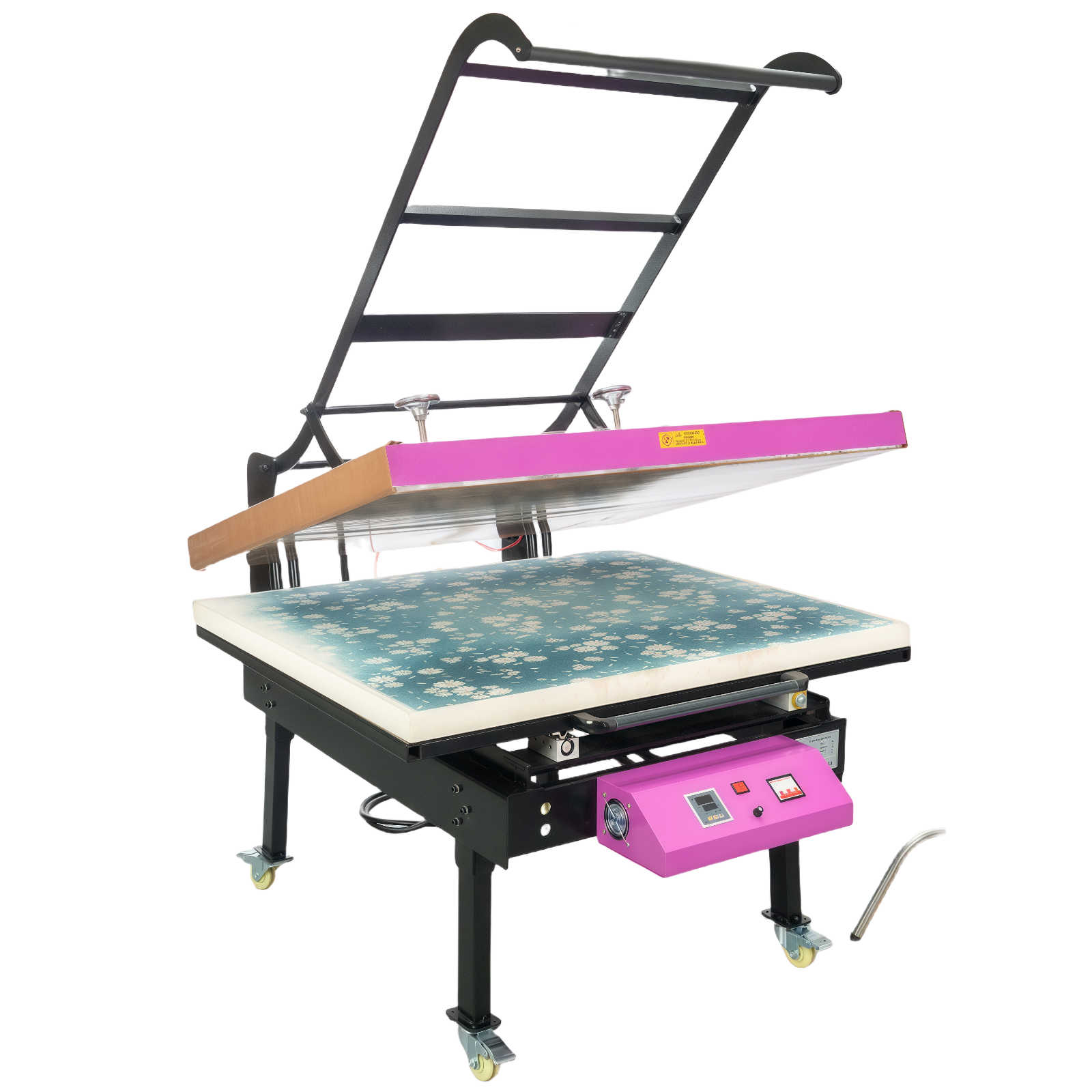
Heat Press Machine 16x16 Pneumatic Dual Swing Transfer: Double Station T-Shirt Press Machine with Digital Auto Pressure for Sublimation Vinyl DTF Commercial Business 110V for T-Shirt/Shoes
SKU: B0FTXCWBZ7
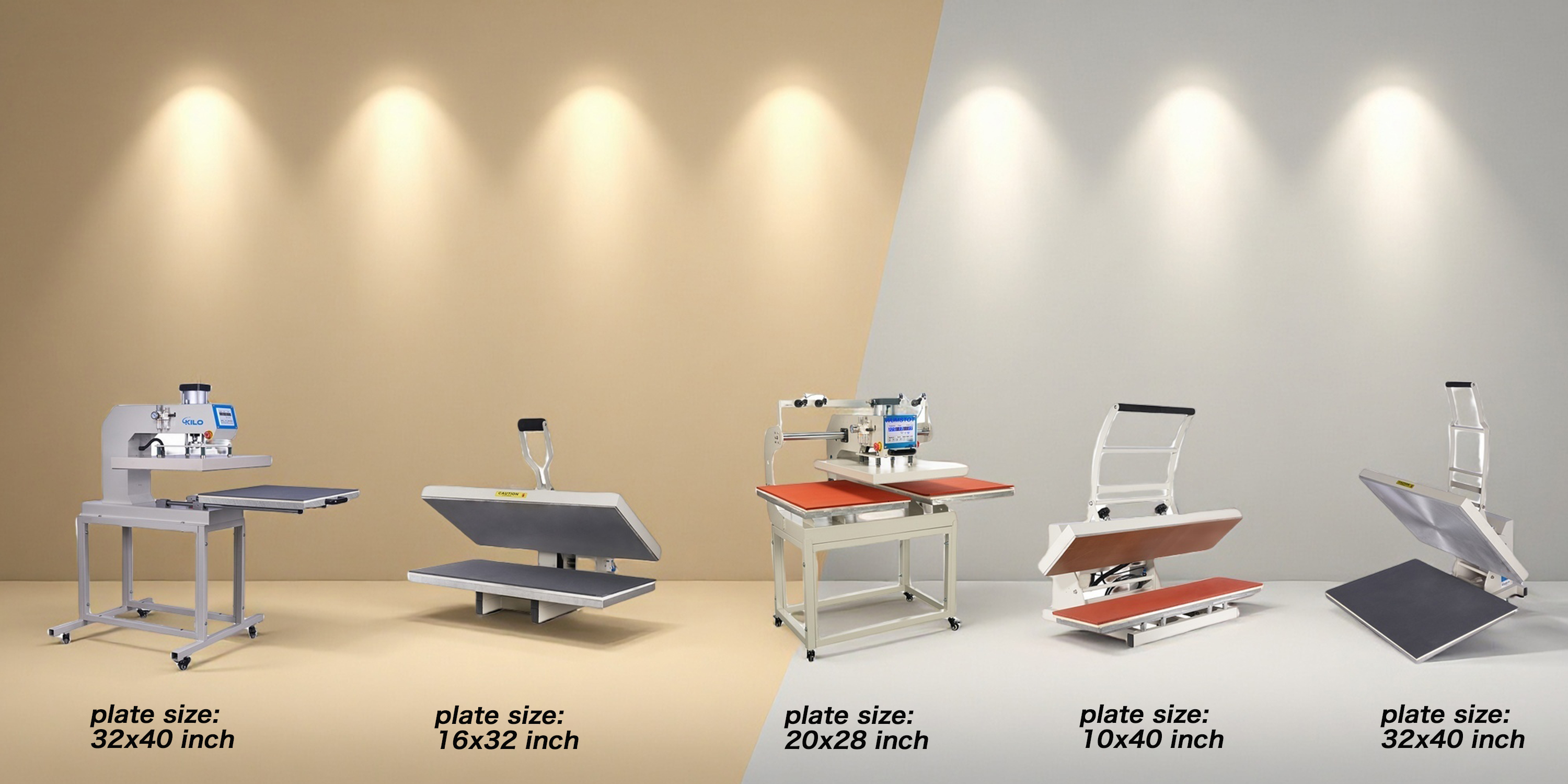
- DUAL STATION 16x16 PNEUMATIC EFFICIENCY: Why struggle with manual pressing when this pneumatic heat press machine reduces operator fatigue by 75%? The automatic air pressure system (0.4-0.6Mpa) delivers consistent force across both 16x16 inch aluminum platens, allowing continuous production while one station cools - perfect for commercial printing business handling 100+ daily orders with the included irregular shaped plate for shoes, socks, and sleeve labels
- PROFESSIONAL SWING AWAY DESIGN WITH 90° ROTATION: The dual swing transfer station features magnetic position sensors and parallel bearing tracks for smooth operation, while the sliding away mechanism provides full access to both work surfaces without reaching over hot plates - essential for sublimation vinyl DTF applications requiring precise multi-layer alignment on t-shirt printing projects up to 2.36 inches thick
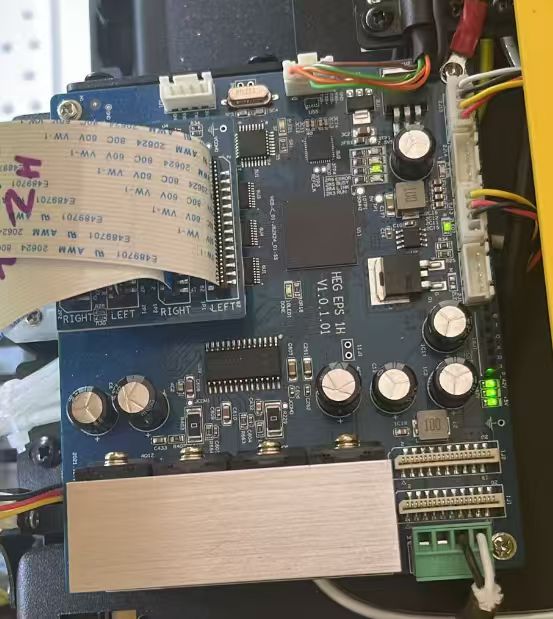
- DIGITAL CONTROL: Advanced LCD display with digital timer (1-999 seconds) and temperature control (0-570°F) ensures consistent results across all materials, while the automatic pressure adjustment maintains optimal force for different fabric thicknesses - from delicate polyester sublimation transfers to heavy cotton commercial applications requiring higher pressure settings
- COMPLETE 3-PLATE SYSTEM FOR VERSATILITY: Beyond two standard 16x16 dual station plates, the included irregular shaped attachment expands capabilities for specialty items - perfect for printing business equipment handling diverse orders from standard shirts to unique items like shoes socks cuffs sleeves labels, maximizing your investment with one industrial grade machine instead of multiple specialized units
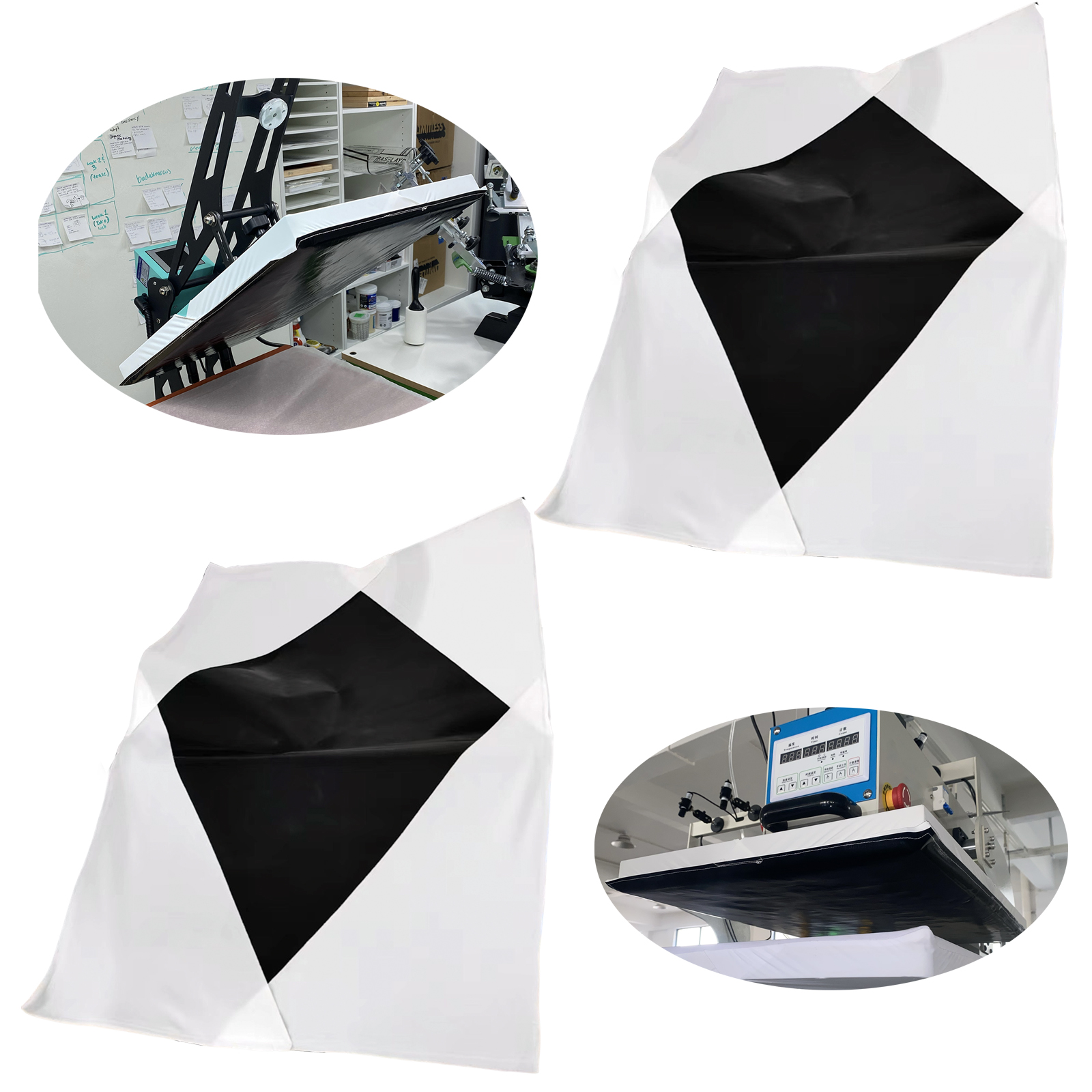
- BUILT FOR HIGH-VOLUME COMMERCIAL PRODUCTION: The 110V pneumatic system with Teflon-coated heating elements delivers even temperature distribution across the entire surface, while the 6mm silicon mat with 1cm sponge padding ensures uniform pressure for vinyl transfer applications
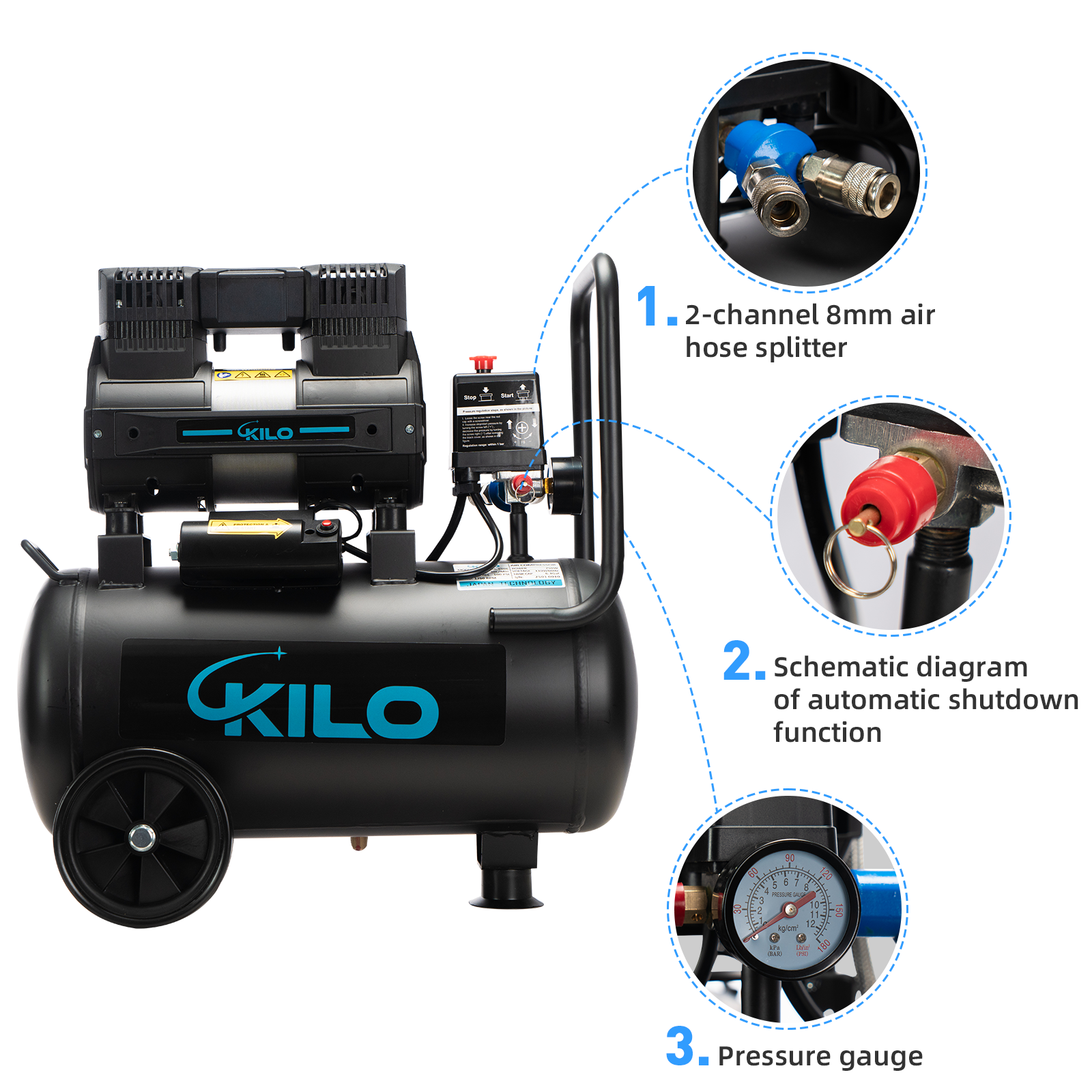
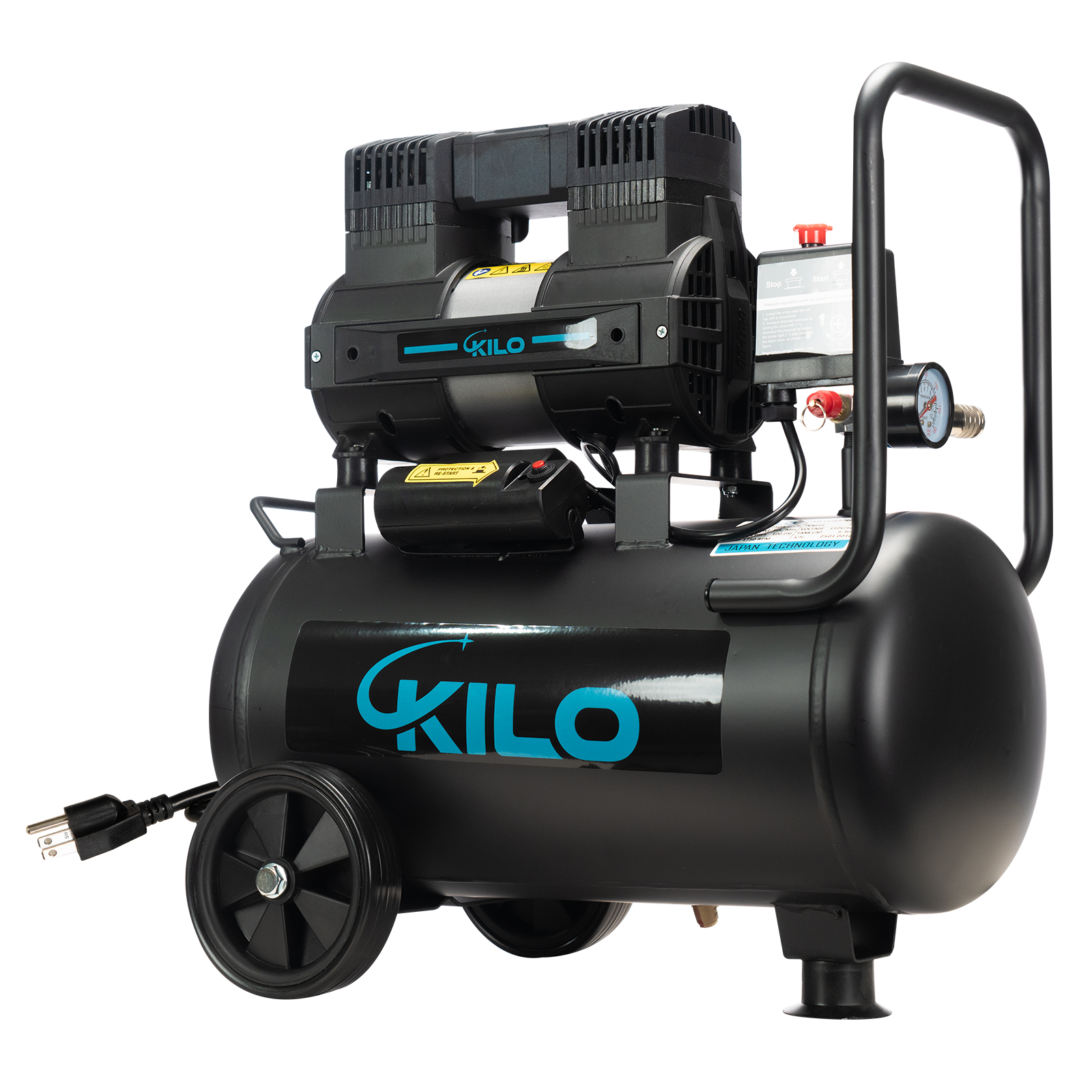
- SMART INVESTMENT WITH PROVEN ROI: How quickly will this pay for itself? Most commercial DTF printing shops report 40-50% efficiency gains from the dual platen sliding design alone, while the automatic pneumatic pressure eliminates inconsistent manual pressing that causes 15-20% defect rates - backed by lifetime technical support and compatible with standard air compressor systems (not included) for immediate integration into existing workflows
- 【LIFETIME SUPPORT】: Join our exclusive "WUMSTOT & KILO MACHINERY" community for instant technical support, creative ideas, and lifetime after-sales service. Our growing family of heat press professionals is here to help you succeed!
(0 Reviews)
0 Sold
1/1


